
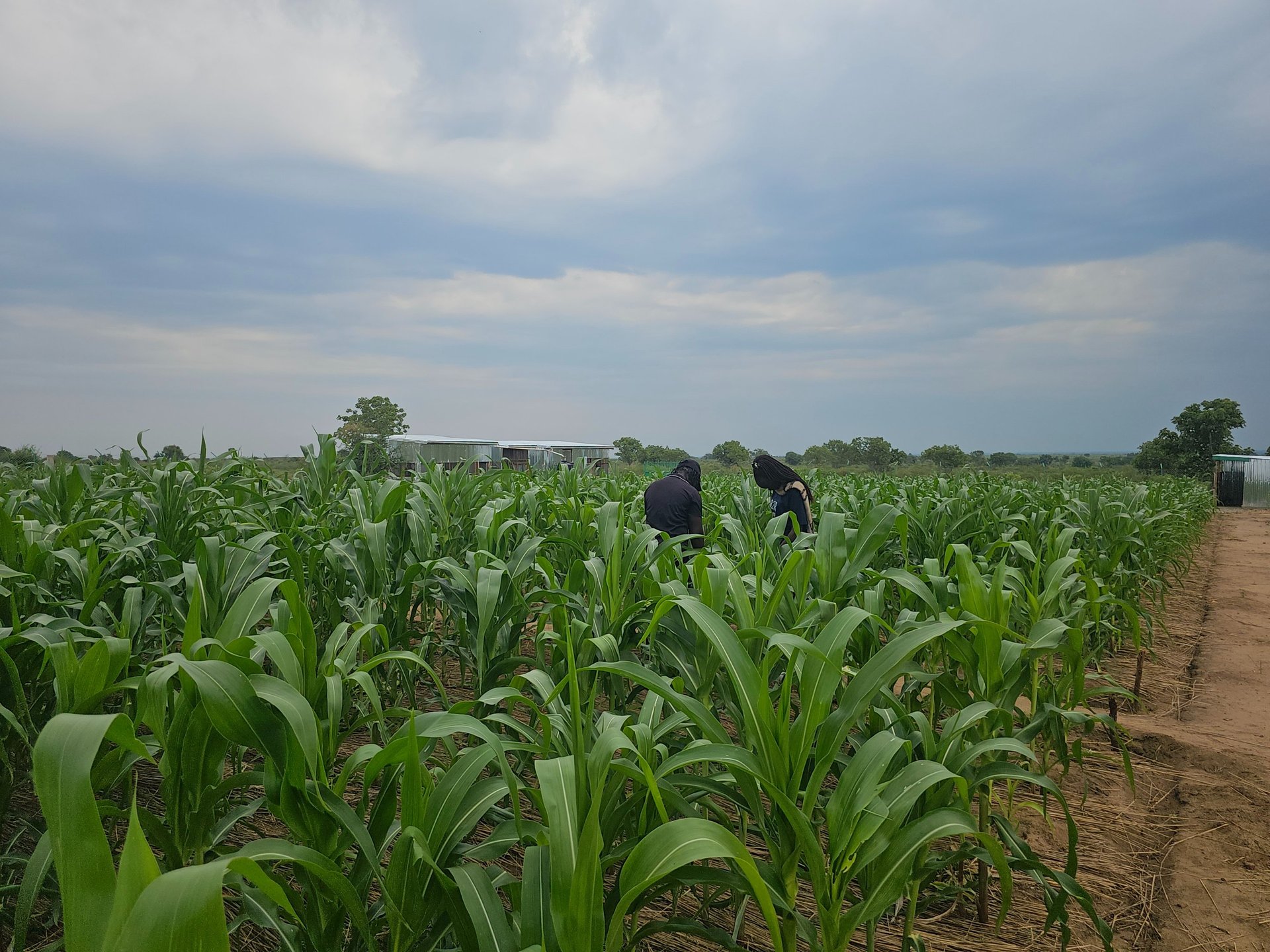
Empower Farmers South Sudan (EFSS) applies a simple but disciplined approach that turns smallholder farming into a reliable system for food security and income generation. Our methods focus on practical learning, strong supervision, and long-term community ownership.
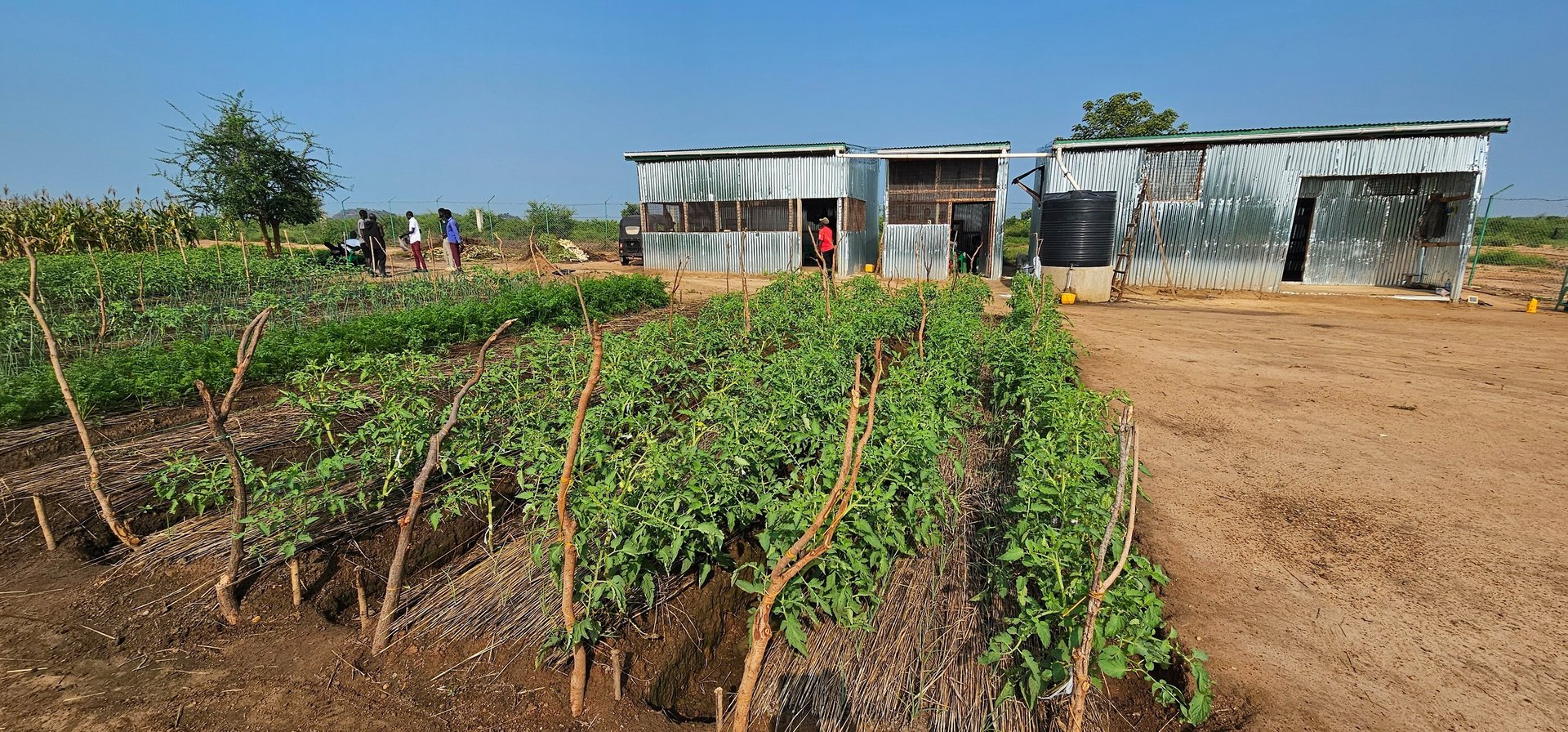
All Empower Farmers South Sudan program activities are guided by the Foundations for Farming conservation agriculture model. Farmers learn to work On Time, At Standard, Without Wastage, and With Joy, ensuring correct land preparation, accurate planting, efficient use of resources, and positive work culture.
Conservation Agriculture - Foundations for Farming (CA-FfF).
Train Smallholder Farmers Where They Are
Training is delivered directly in smallholder farmers’ own fields, villages, schools, and churches. This removes barriers of distance and cost and allows farmers to immediately apply what they learn on their own Pfumvudza plots.
Demonstration Farming
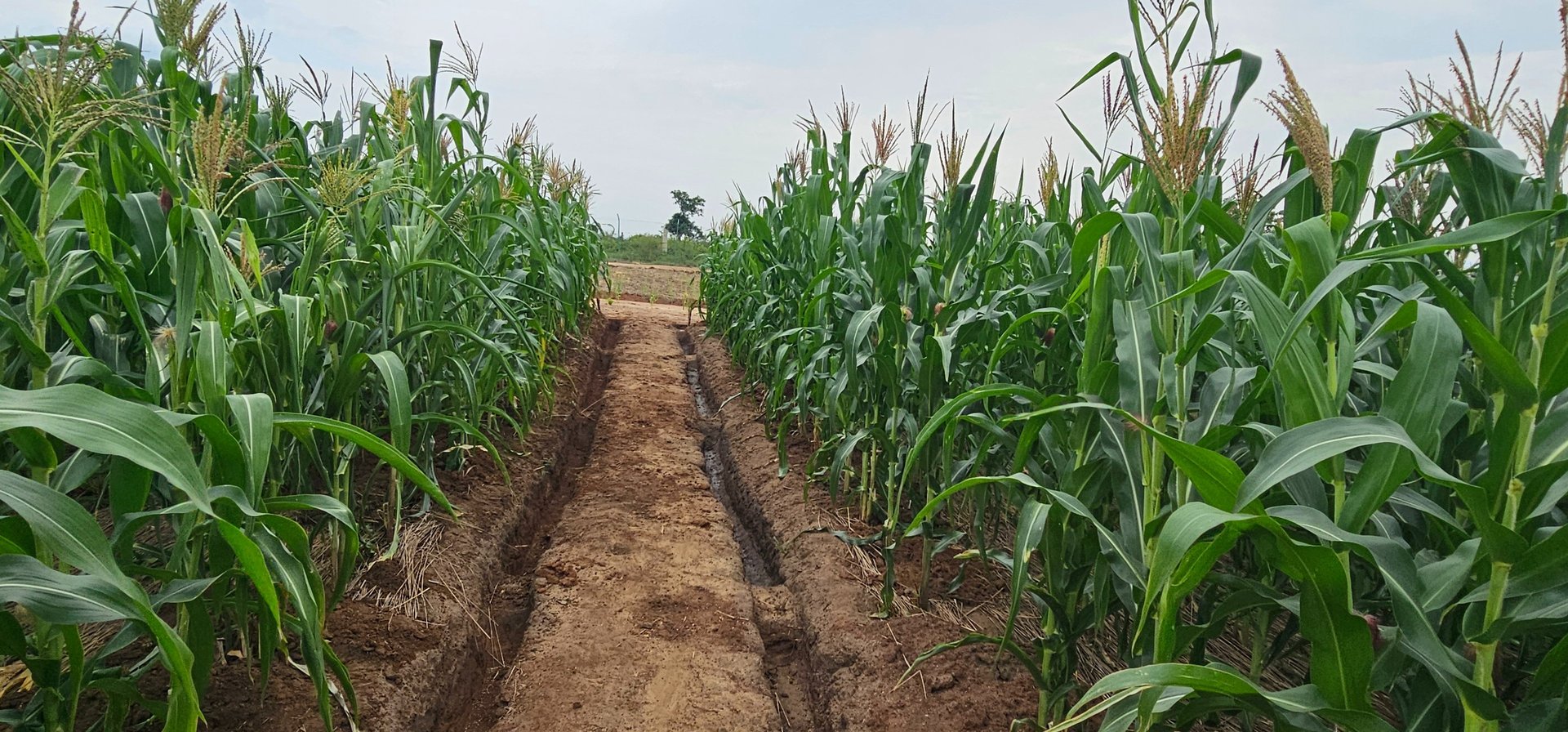
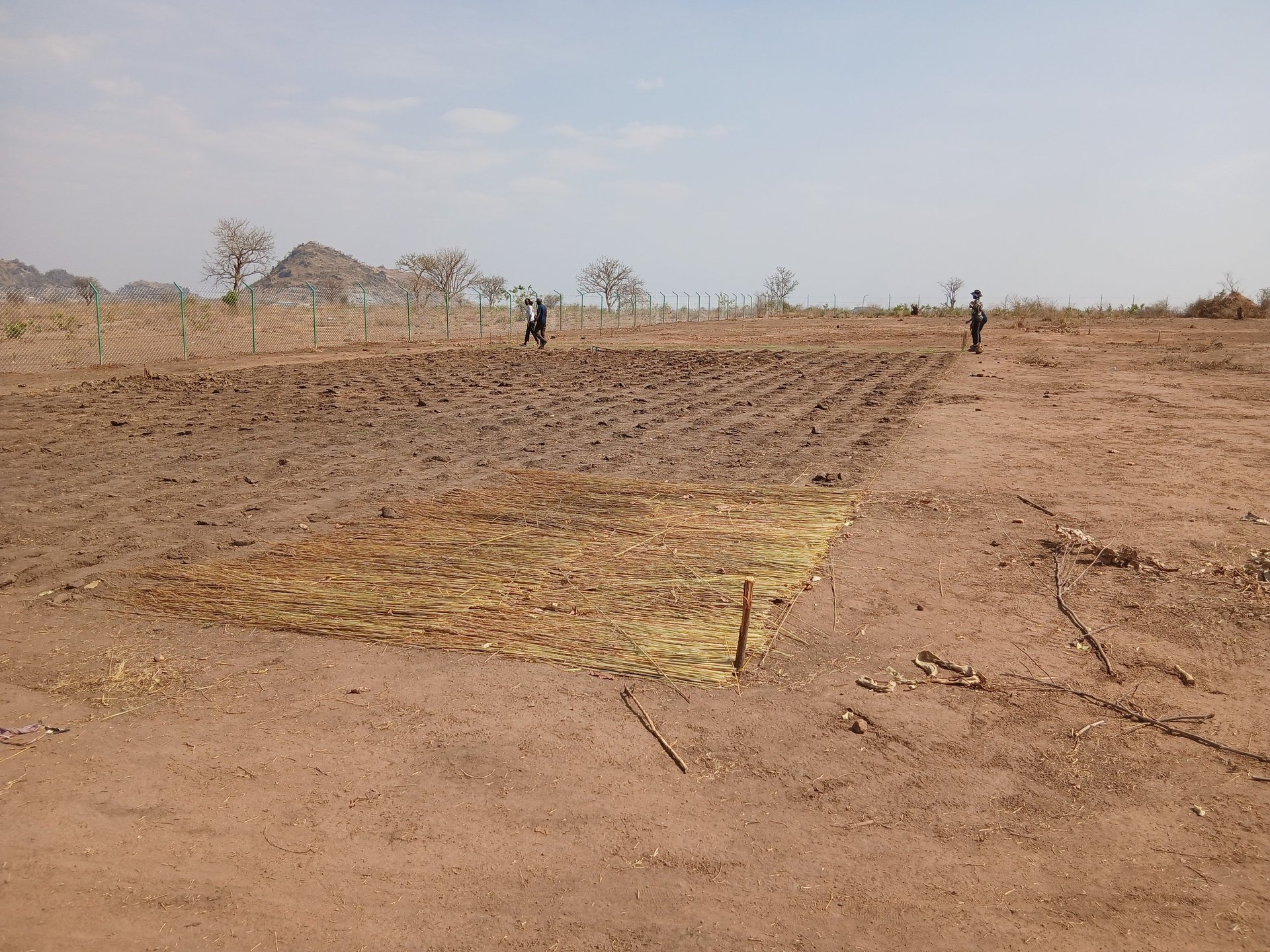
Empower Farmers South Sudan operates demonstration farms that serve as living classrooms. Farmers observe correct Pfumvudza layout, composting, mulching, thinning, and crop management before replicating these practices at home.
Equip Youth to Lead
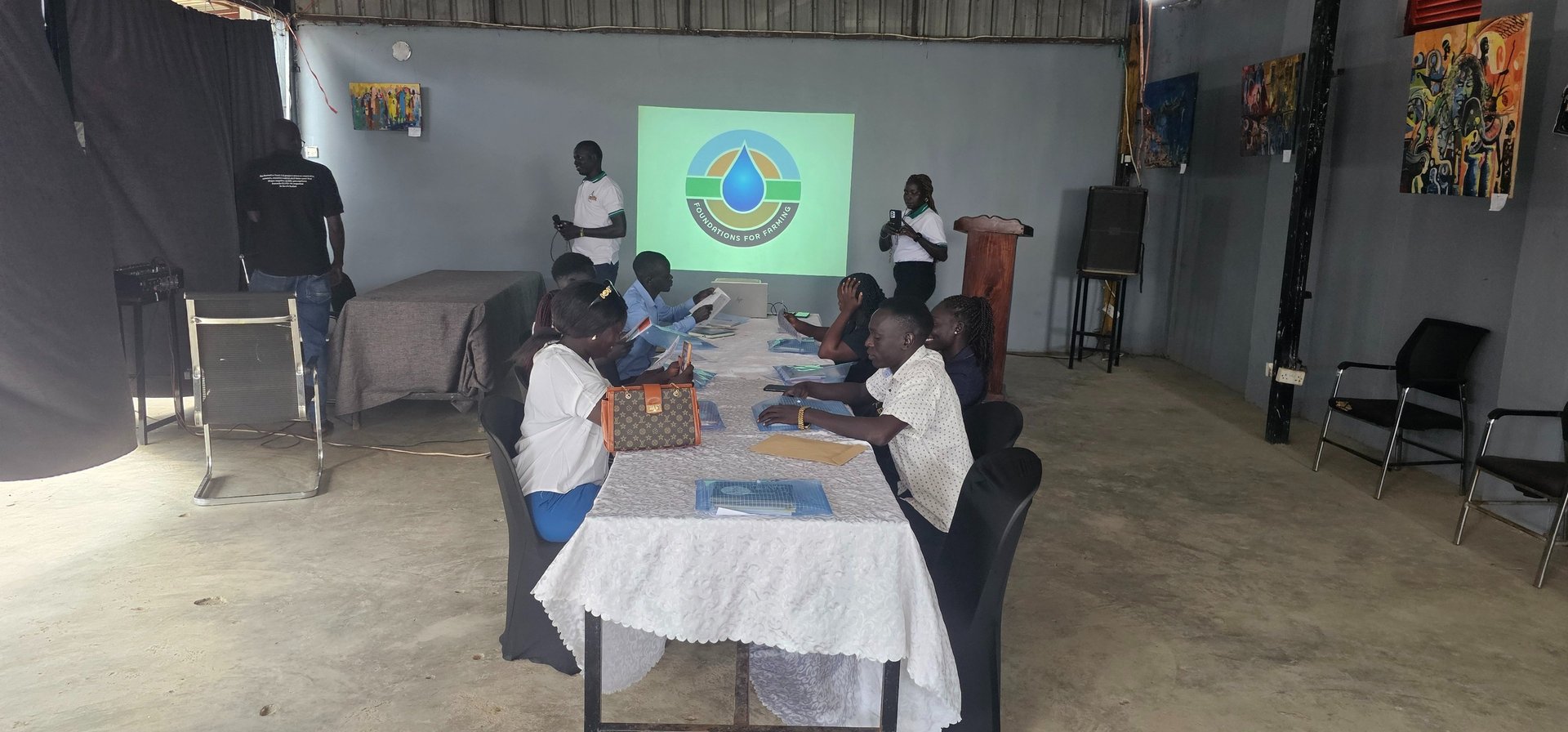
Young people are trained as Interns, Fellows, and Champions through certified Train-the-Trainer courses. These youth leaders become community trainers and mentors, ensuring continuity of skills and leadership.
Restore Land and Grow Markets
Empower Farmers South Sudan restores degraded land through composting, mulching, agroforestry, and moisture-conserving practices. At the same time, farmers are supported to organize groups, link with buyers, and sell collectively so that increased production leads to higher household income.
After training, farmers receive regular field visits, technical audits, and mentoring. Progress is tracked through farmer logbooks and inspection tools to ensure that conservation agriculture practices are applied correctly and consistently.
Supervision, Quality Assurance, and Learning
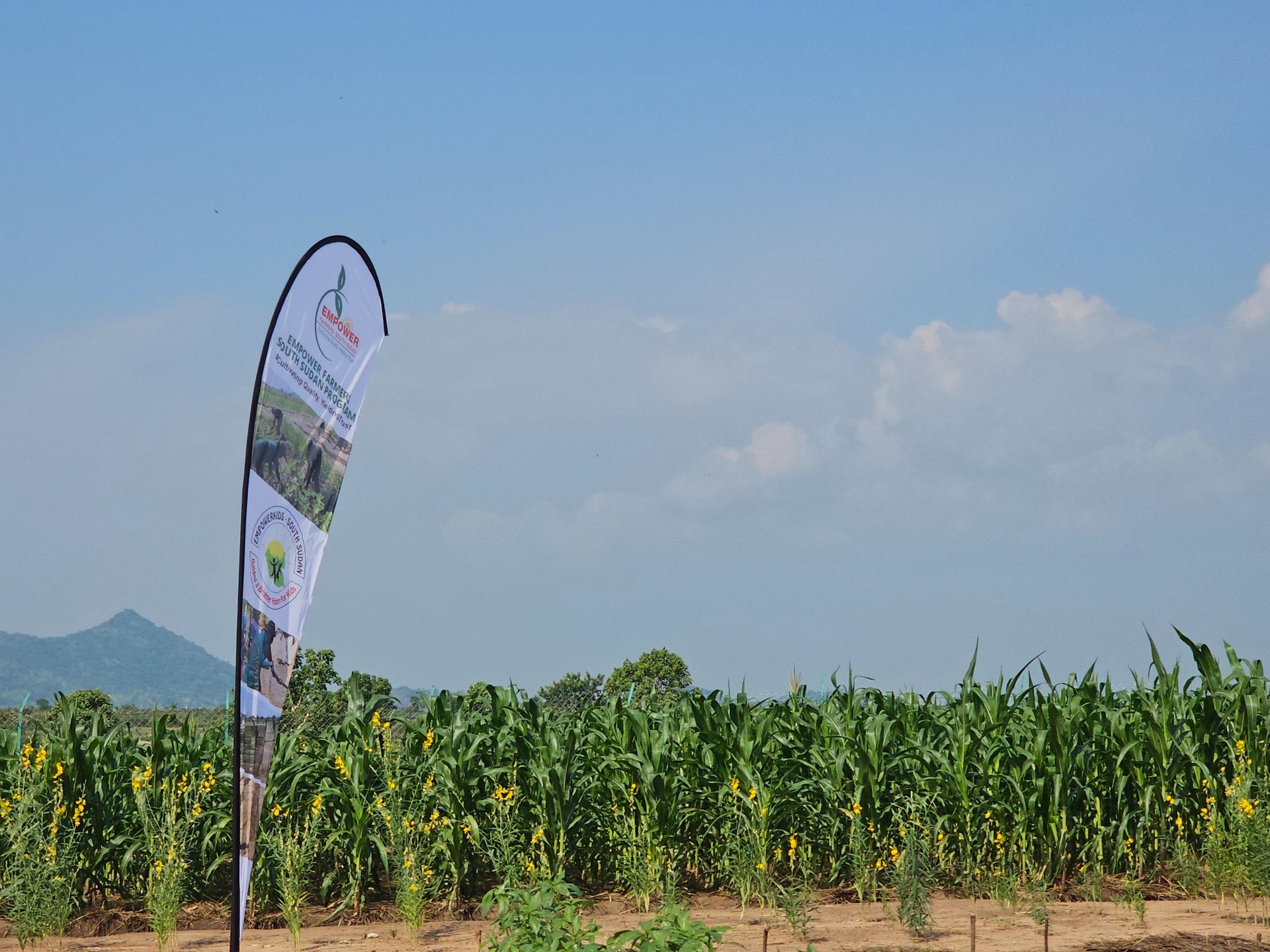
A precision-based household farming system that enables a family of six to produce sufficient, high-quality staple food for one year from a small, well-managed plot measuring 16 metres by 39 metres, using permanent planting basins, early planting, mulch, and strict agronomic discipline.
Pfumvudza Defined:
1,456 planting stations
75cm row spacing, 60cm in-row spacing
12cm hole depth
3 seeds per station, thinned to 2 plants
Each farmer establishes a standard 16m × 39m Pfumvudza plot with:
Empower Farmers South Sudan
"Cultivating Quality, Yielding Trust."
Email:
Phone:
info@empowerfarmers.org
+211 986 133 777
© 2025. Empower Farmers South Sudan. All rights reserved.


Quick Links:
About Us
Our Method
Our Focus Areas
News
Contact Us
Physical Address
A Project of EmpowerKids-South Sudan (Registration No. 169)
Building food-secure and climate-resilient communities across South Sudan.


Gudele West, Block 4, Plot 477, Luri Payam, Juba County, Central Equatoria State, South Sudan